Type:
Fashion Tips
Use texture to elevate everyday outfit styling
Discover how mixing textures adds visual depth and refined, quiet sophistication without relying on bold colors.
5 min read
Oct 24, 2025
1. Why texture matters
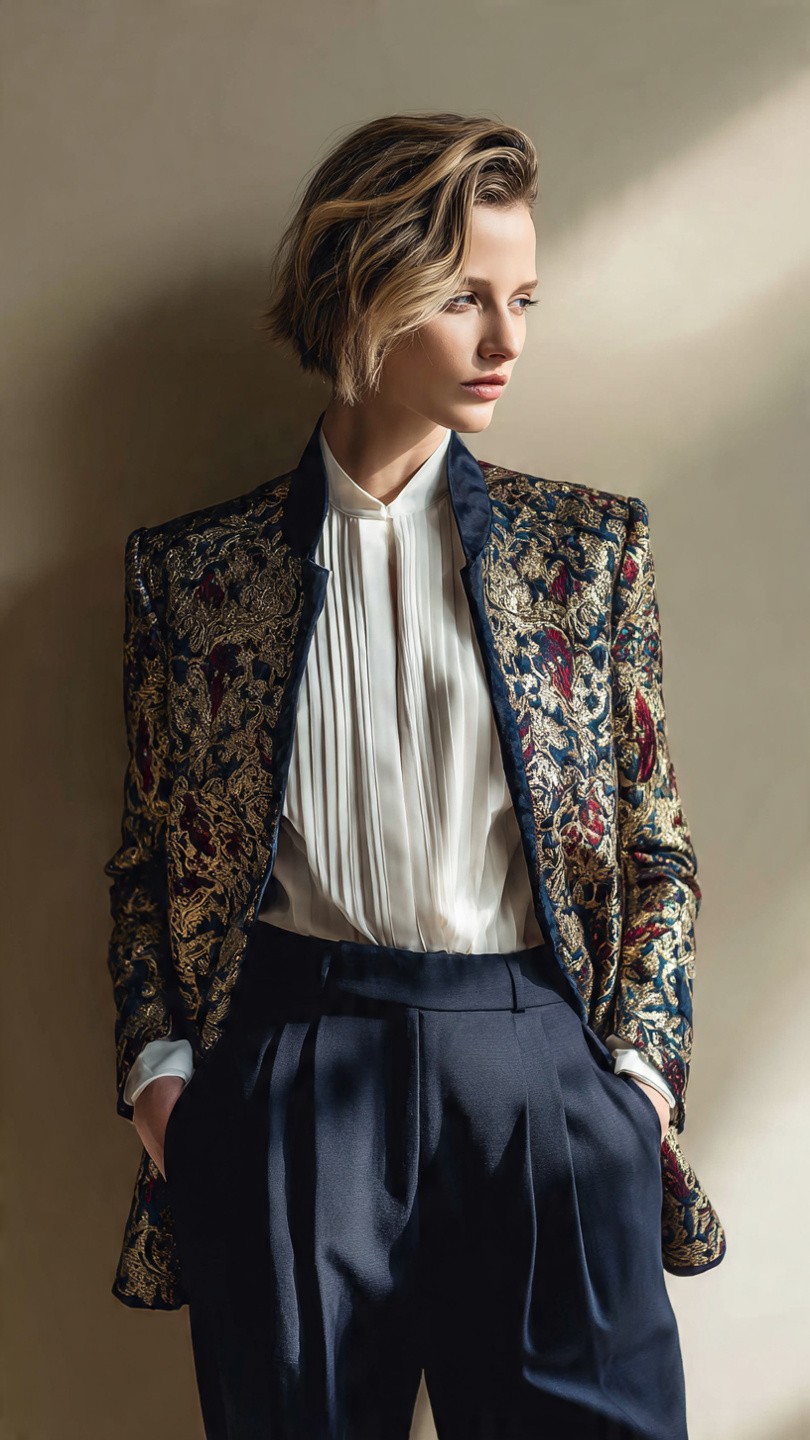
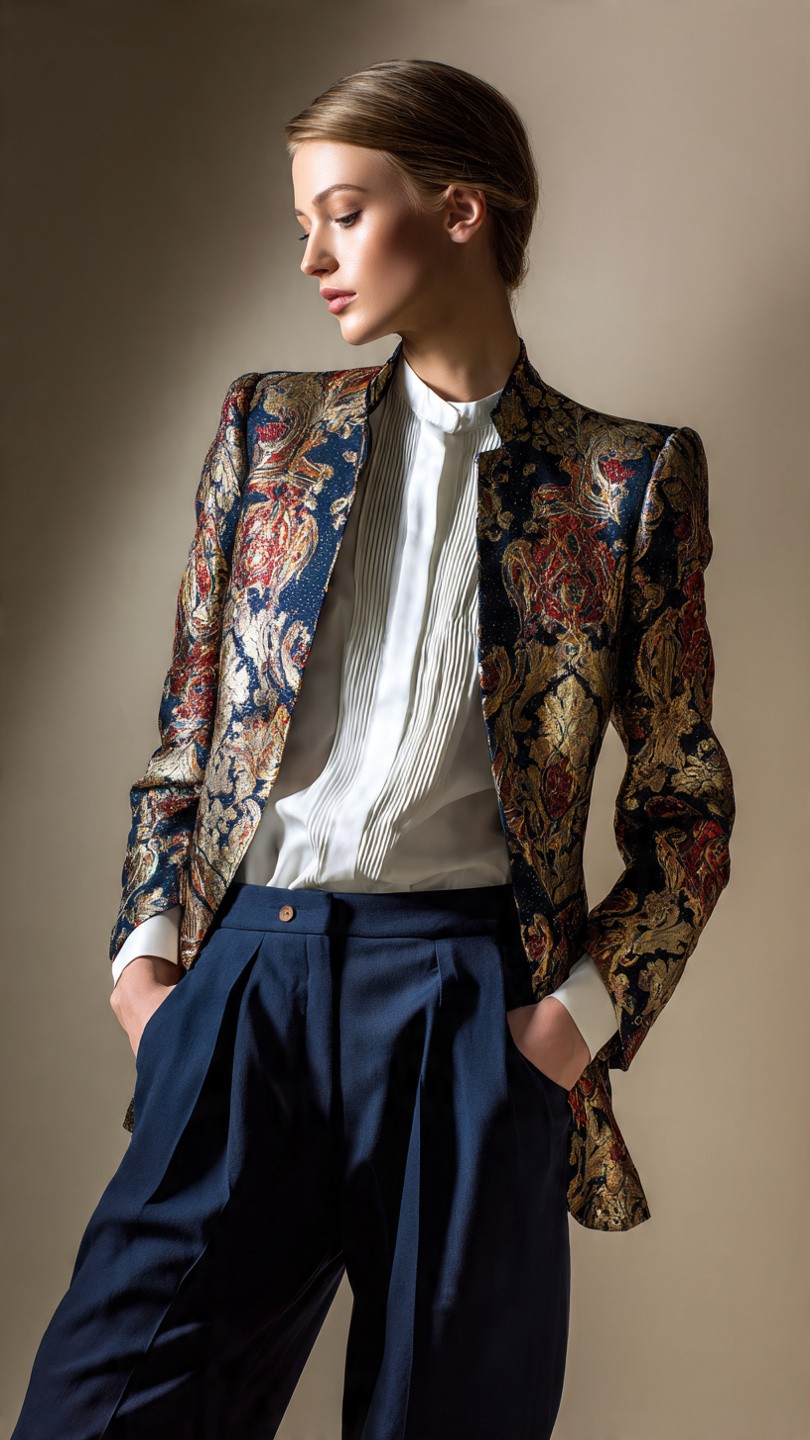
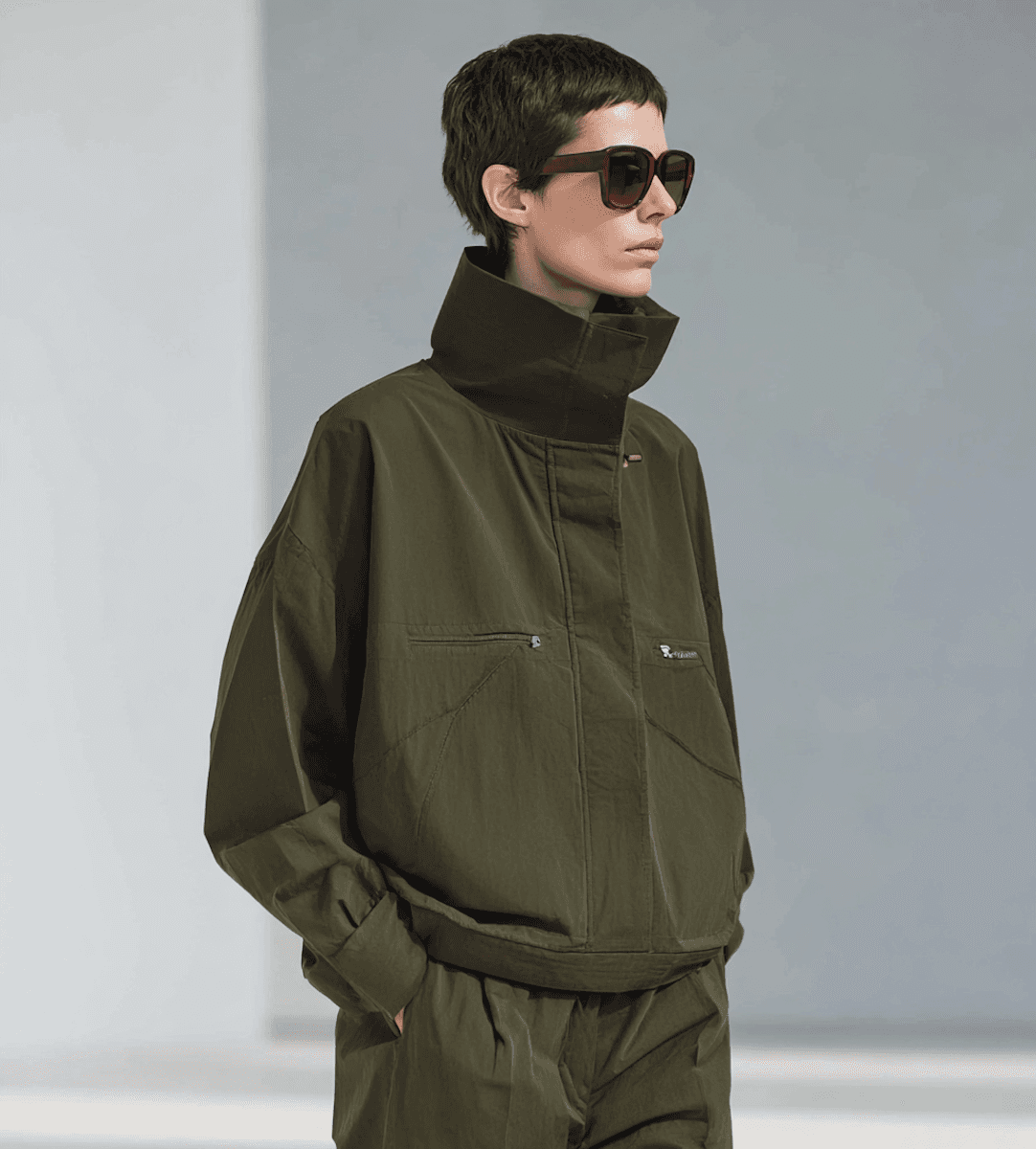
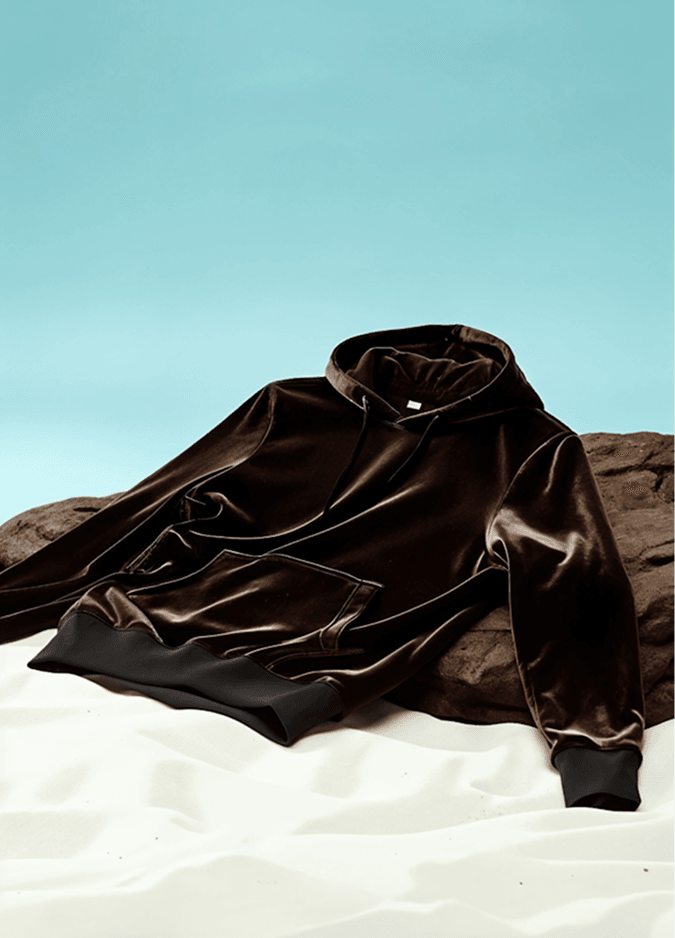
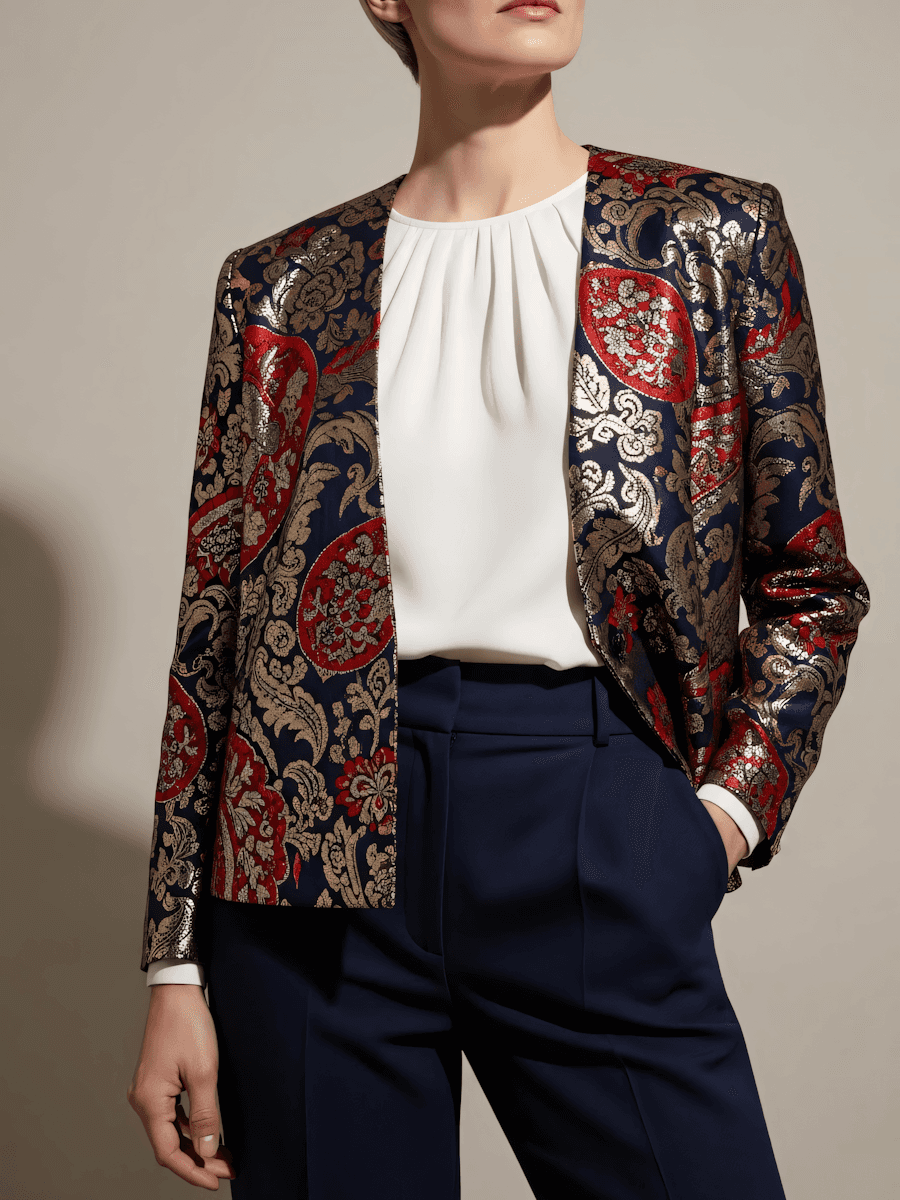
Texture plays a quiet but powerful role in outfit design. Even when color palettes are minimal or neutral, texture introduces contrast and dimension, preventing outfits from feeling flat or unfinished. It influences how light interacts with fabric and how garments feel in motion, adding depth without requiring bold colors or heavy layering.
Functionality: Textured fabrics often provide added warmth, comfort, or structure, enhancing both wearability and practicality
Versatility: Texture allows basic wardrobe pieces to feel more dynamic and adaptable across different outfits and seasons
Style impact: Subtle variations in surface and finish create visual depth, making outfits appear layered and refined
2. Essential texture combinations
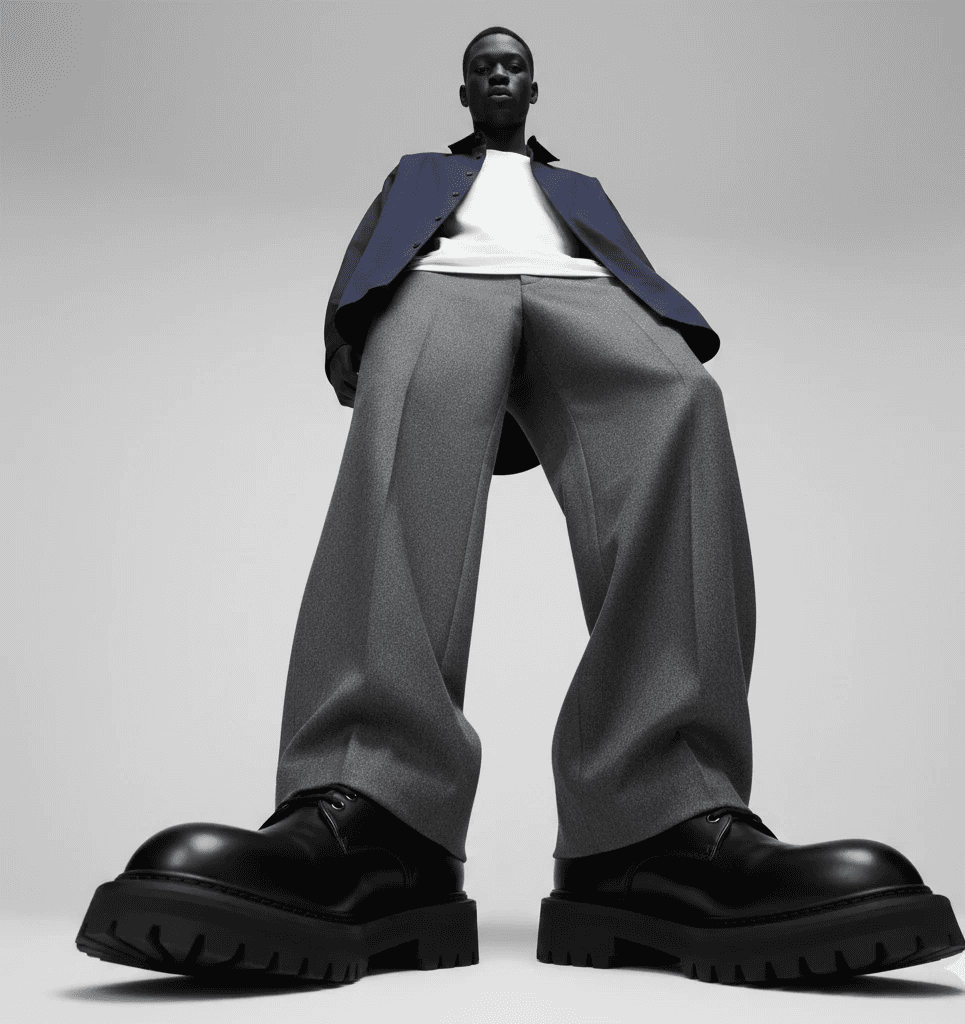
Strong texture styling comes from balance. Pairing contrasting finishes—soft with structured, smooth with rugged—creates harmony and interest without overwhelming the look.
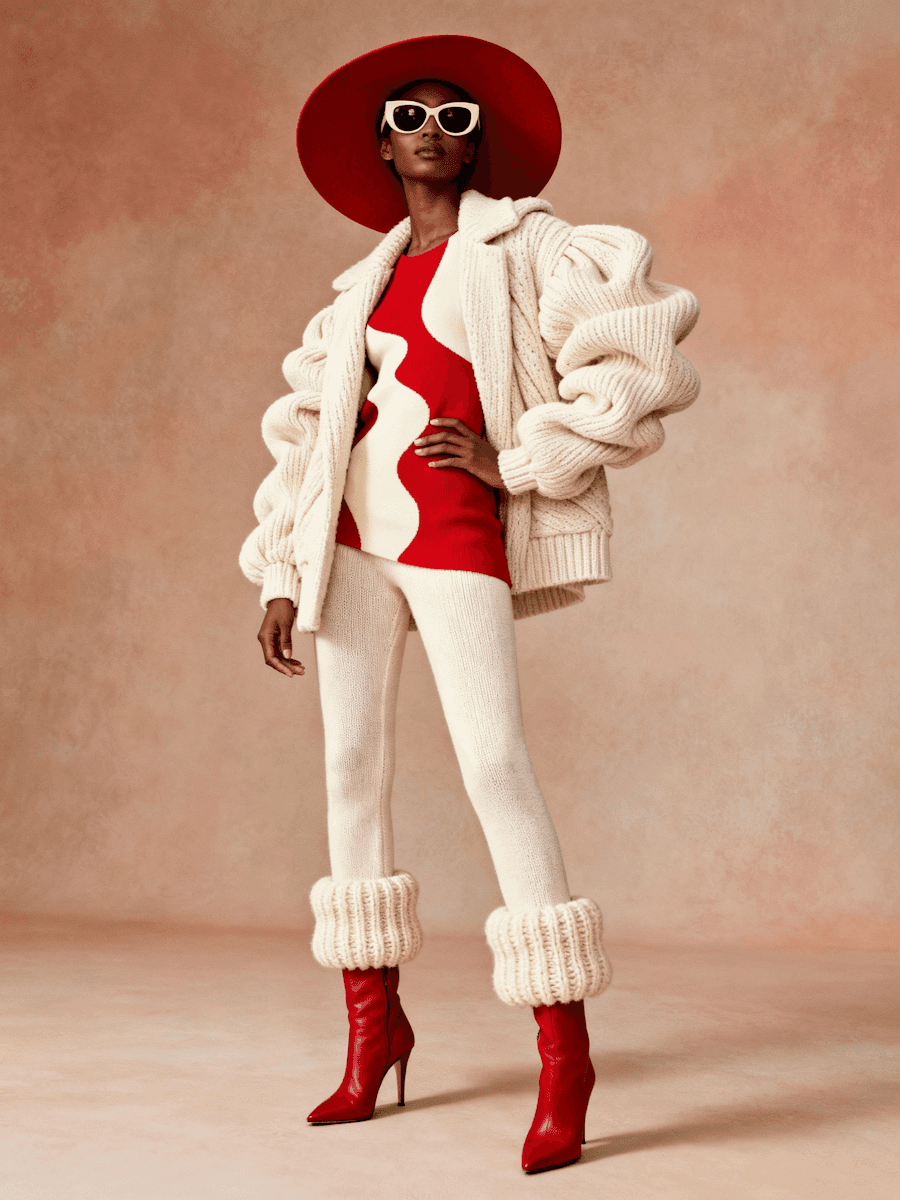
Leather with knitwear: The contrast between structured leather and soft knits creates a balanced, modern feel
Denim with cotton or wool: Mixing durable denim with softer fabrics adds warmth and softness while maintaining structure
3. Texture rules
These principles help texture feel intentional rather than accidental.
Mix thoughtfully: Combine textures with contrast, but avoid overcrowding the outfit
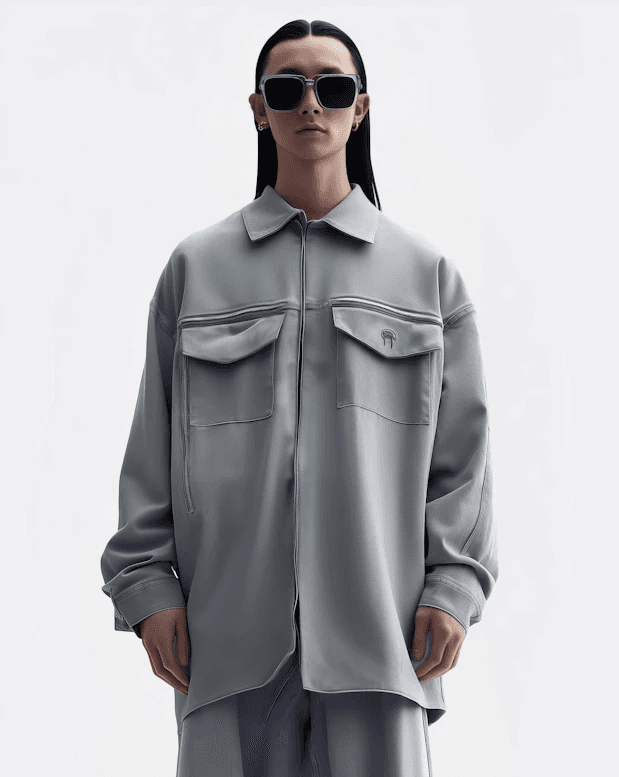
Keep color simple: Neutral tones allow texture to stand out naturally
Let one texture lead: Choose a dominant fabric and support it with subtler finishes
Bonus tips
Texture is most effective when it has space to be noticed. Minimal outfits provide the perfect canvas, allowing fabric details and finishes to take center stage. Pay attention to how textures interact in movement and light—these subtle qualities are often what make an outfit feel elevated rather than styled.