Type:
Style Guide
Style outfits confidently using seasonal color palettes
Learn how seasonal color choices influence mood and help create balanced, visually cohesive outfits throughout the year
9 min read
Oct 24, 2025
1. Why color palettes matter
Color is one of the strongest visual tools in fashion, shaping how an outfit is perceived before details like fit or texture are even noticed. A well-considered color palette brings clarity and cohesion, helping outfits feel intentional rather than improvised. Seasonal palettes, in particular, align your wardrobe with natural shifts in light, mood, and environment, making your style feel relevant and grounded throughout the year.
When colors work in harmony, even simple outfits appear elevated. Rather than relying on constant new purchases, understanding color relationships allows you to restyle existing pieces in fresh, confident ways.
Functionality: A defined color palette simplifies daily styling by reducing guesswork and making outfit combinations quicker and more intuitive
Versatility: Core wardrobe pieces can be reused across multiple looks when colors naturally complement one another
Style impact: Balanced color choices create visual rhythm and polish, helping outfits feel cohesive and thoughtfully styled
2. Seasonal color essentials
Each season carries its own visual language, influenced by nature, climate, and atmosphere. Aligning your wardrobe with these seasonal cues helps outfits feel effortless and appropriate without feeling restrictive.
Warm seasons typically call for lighter, airier tones that reflect brightness and ease, while colder seasons benefit from deeper, grounded shades that add warmth and richness.
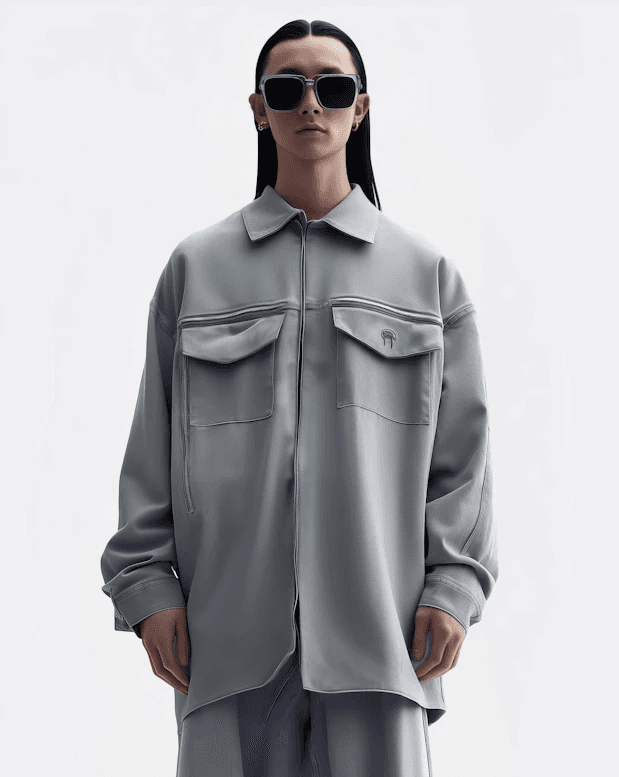
Warm seasons: Soft neutrals, light tones, muted pastels, and sun-washed hues that feel breathable and relaxed
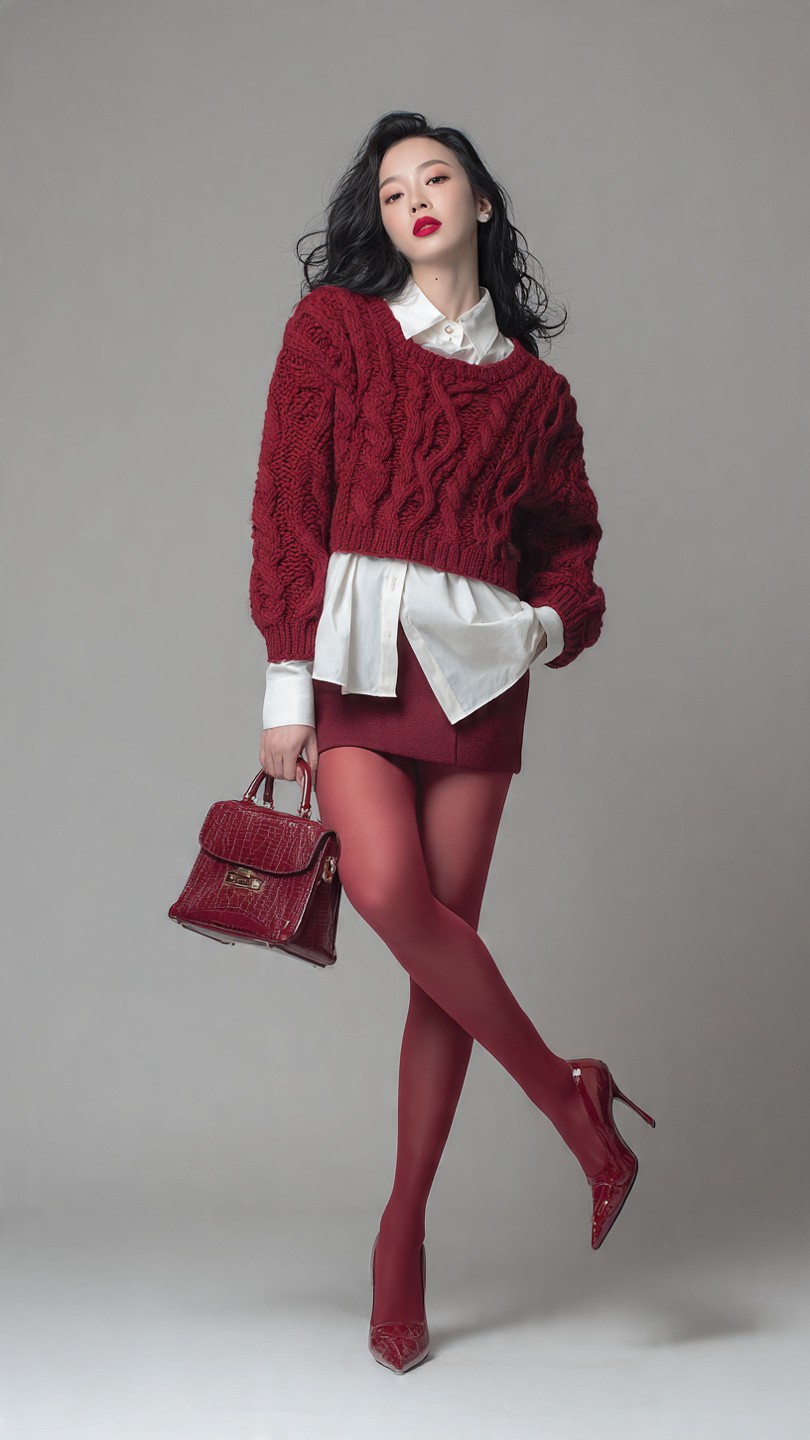
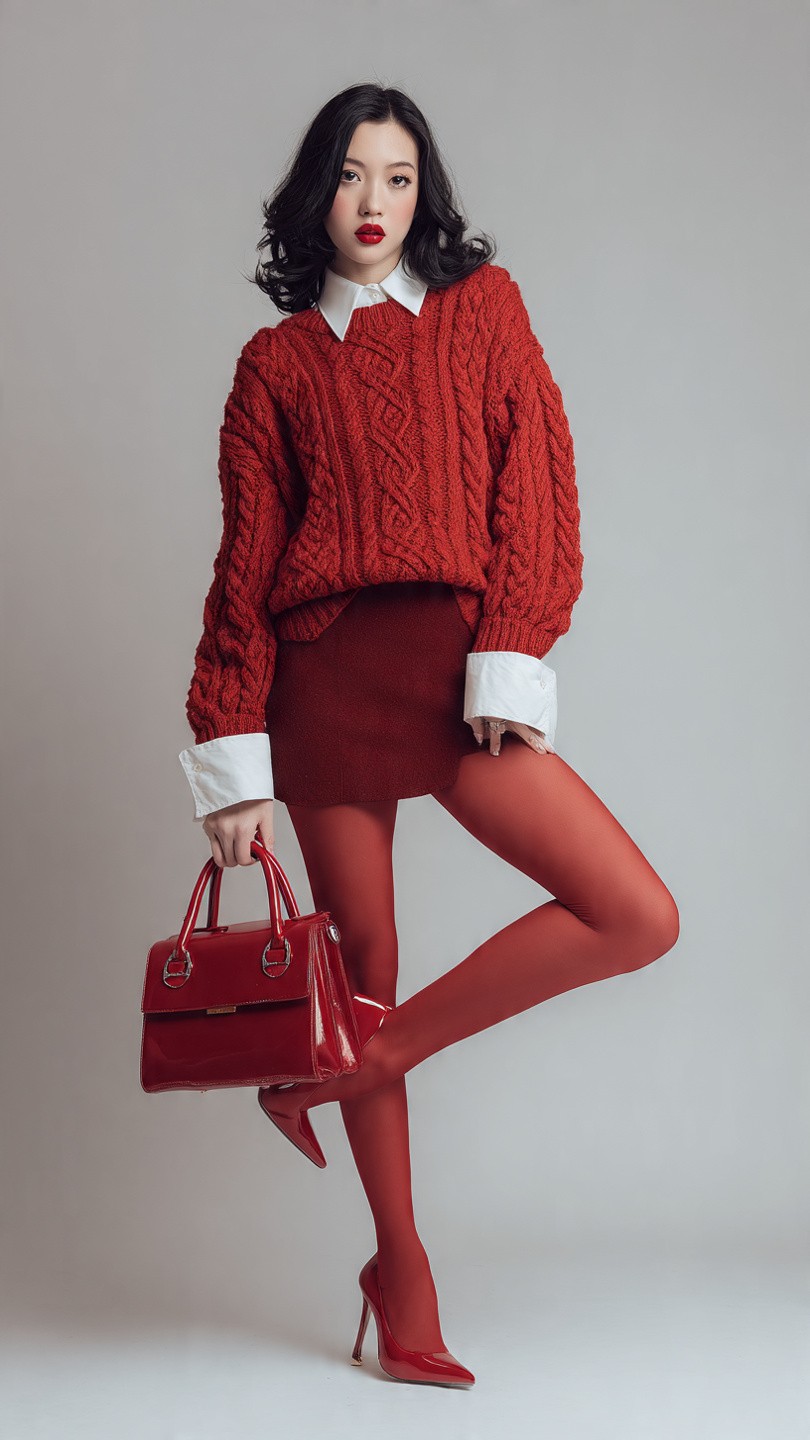
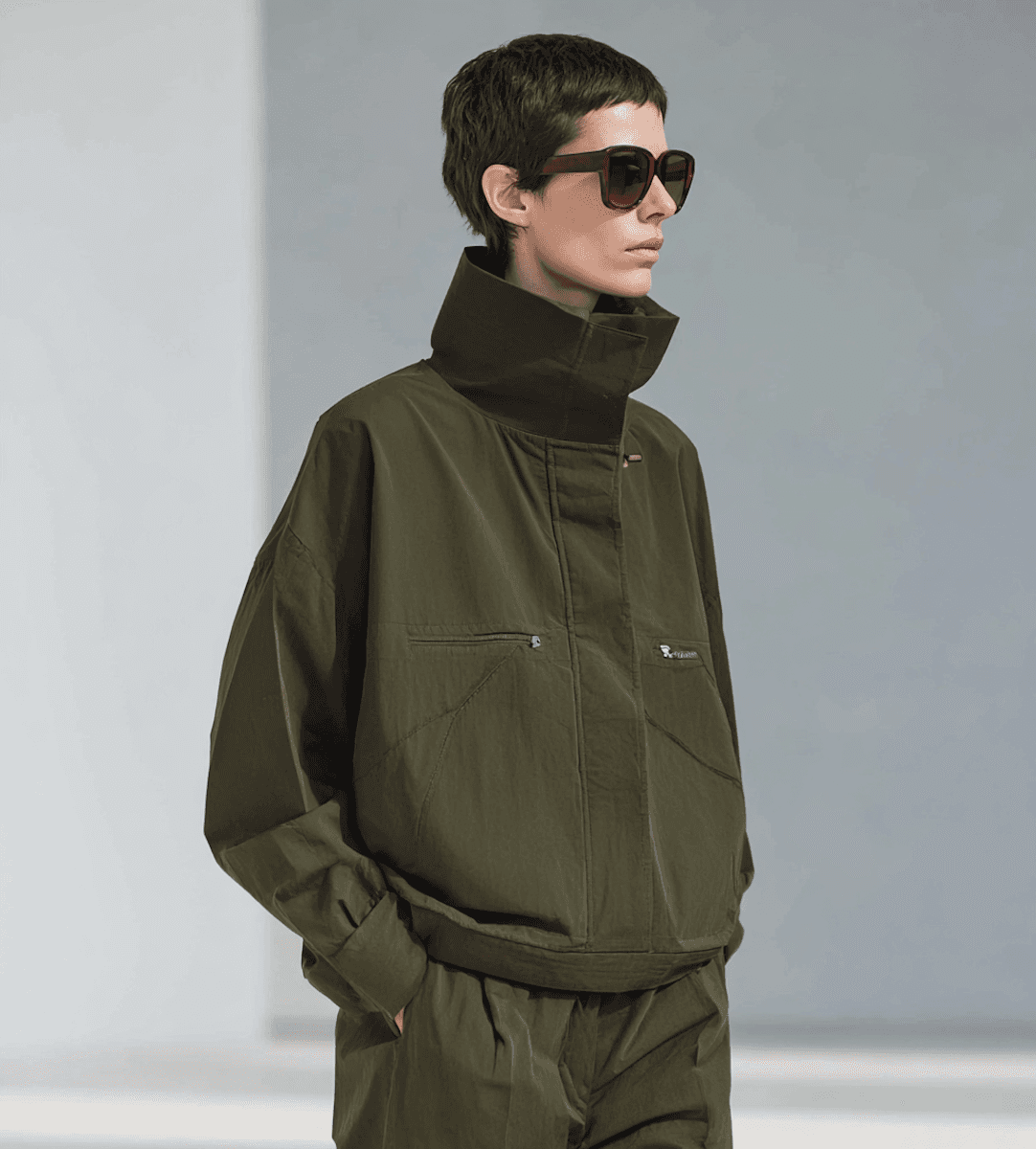
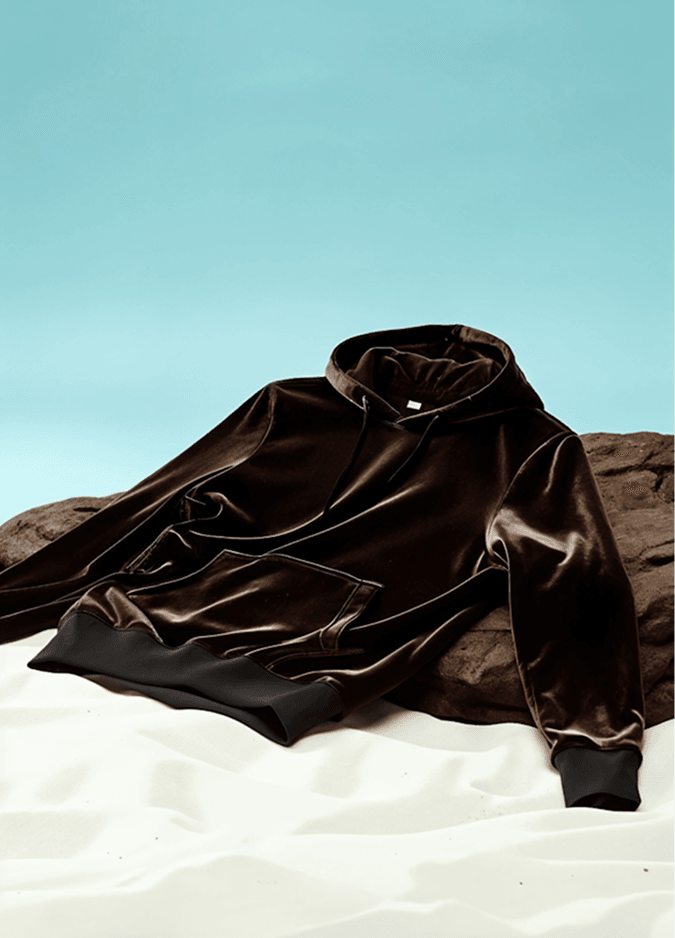
Cold seasons: Deep hues, earthy shades, and rich neutrals that add depth, contrast, and visual warmth
3. Color styling rules
Applying a few consistent rules helps prevent color-heavy outfits from feeling overwhelming or disjointed.
Limit palettes to three or four tones to maintain clarity and avoid visual clutter
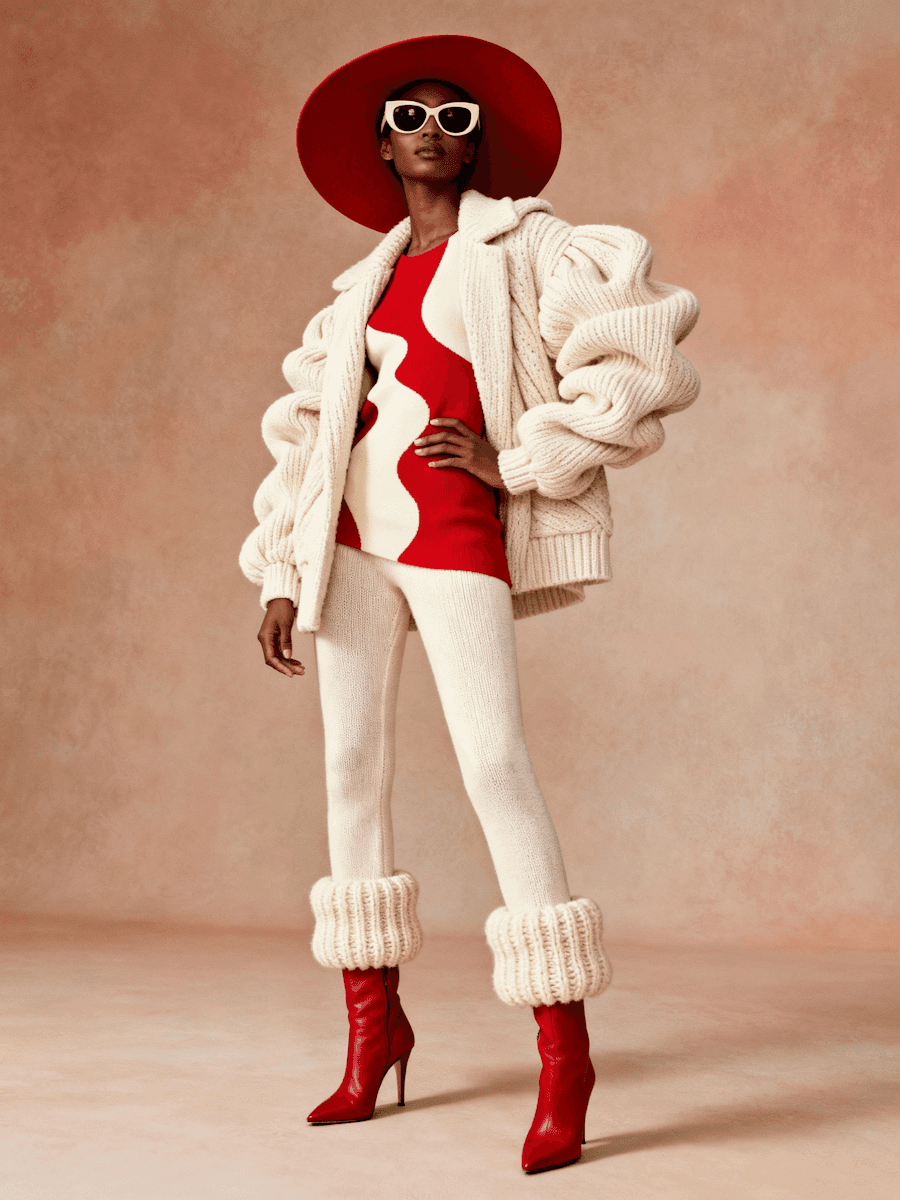
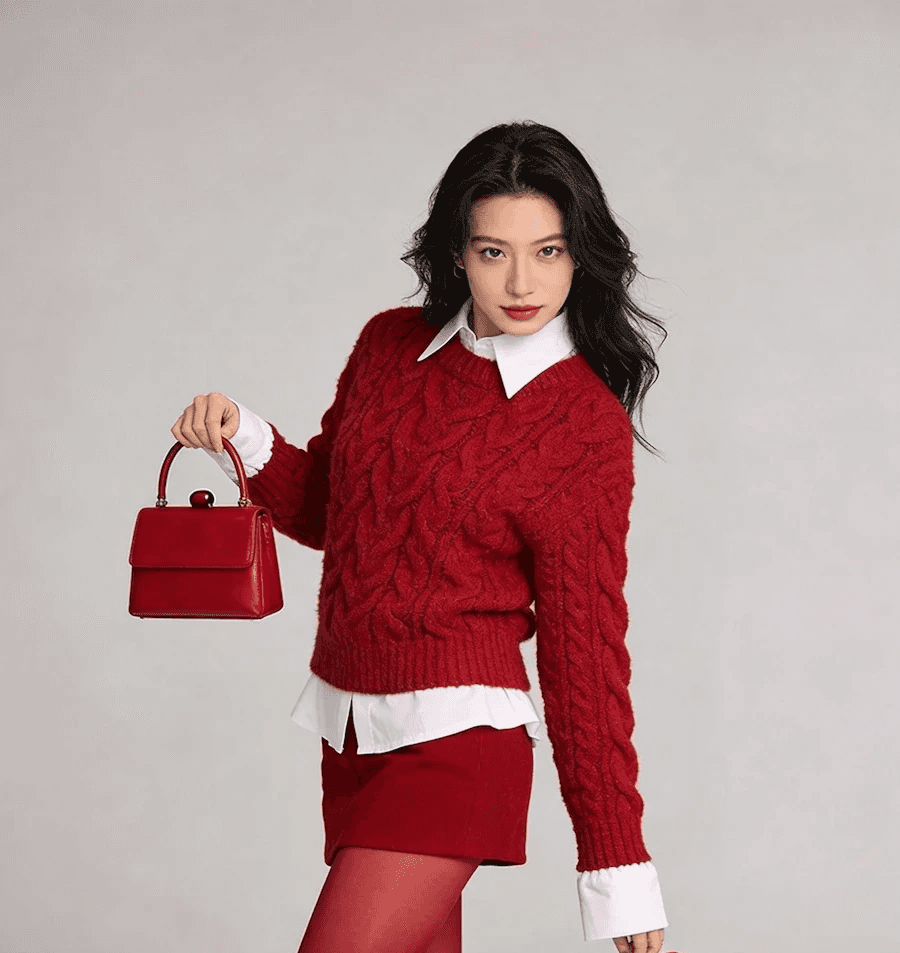
Anchor bold colors with neutrals so statement hues feel balanced rather than overpowering
Repeat colors subtly across garments or accessories to create visual continuity
Bonus tips
If you’re hesitant to experiment with color, start small. Accessories such as bags, shoes, scarves, or belts are an easy way to introduce seasonal tones without committing to statement garments. This approach keeps your wardrobe flexible while gradually building confidence in color use.
Pay attention to how colors interact with fabric and texture—soft tones on structured pieces feel different than the same colors on fluid fabrics. Over time, developing an awareness of these subtle relationships allows color to become a natural extension of your personal style rather than a risky choice.
Rewrite any other section to this same depth
Push it even more luxury/editorial
Adapt it specifically for streetwear or high-fashion brands